An then there was Light!
Pesticides (and more toxics) Part V, ‘The time has come to make decisions. The changes have to be made!’
In this fifth episode of High Hopes, we hope to see the Light again in 2026. Fortunately, there’s movement and change in the European Union. At least, that’s what it seems. But we must make our voices heard even more forcefully and make it clear that things can’t continue like this. Here’s another summary of news from the past few months in 2025 and 2026.
After “The Fall of the Light,” we’re seeing a shift at various agencies. Monitoring is improving, and we expect enforcement to improve as well.
The State must at all times maintain the loyalty of the common people. Otherwise, defeat is inevitable’
‘You’ve poisoned all our hopes, we have nothing now. And what of the children? What has this done to them? Damn you for the pain they must feel’
Dutch Minister of Agriculture Femke Wiersma has no intention of imposing a temporary moratorium on the use of glyphosate. During question time in the House of Representatives, several parties asked for this, following a new study. Why doesn’t she want this? Her argument is as follows:
“At my request, the Board for the Authorization of Plant Protection Products and Biocides (Ctgb) is assessing the study. I want to await the outcome before making a decision on the use of glyphosate.”
“It’s easier to imagine the end of the world than a future with pesticide-free agriculture.”
Here we go again, postponing everything, failing to apply the precautionary principle, waiting first, and in the meantime…?
It’s maddening, these persistent individuals who also allow the export of pesticides banned in the Netherlands and other EU countries to Morocco, India, and other non-EU countries, only to then re-import cheaper fruit and vegetables from those countries. And then offering them here at a lower price to the population remains a shambles. Why?
We’re not getting tired, but we are fed up. We really need to take to the barricades now and put our fists on the table. Later, we march…
Fortunately, we’re not alone in this, because professors are calling on politicians: Stop pesticides in floriculture – health and nature are at stake.
Parkinson’s, declining biodiversity, environmental pollution – it’s piling up. But still, we’re not intervening.
💥 Time for action:
❌ Ban pesticides in floriculture
🌿 Accelerate the transition to sustainable alternatives
💶 Offer farmers fair compensation.
Opinion: Ban pesticides in floriculture, even though there is no evidence of their risks.
‘The time has come to make decisions.
The changes have to be made!’
Man is a wolf to man, but chemistry is his shadow. Why don’t we protect our children from toxins we’ve long known exist?
Why do we wait for more studies when the diagnosis has already been made?
And why do we accept perpetual chemicals in a world that can no longer guarantee its children eternity?
2025 marks a tipping point:
The tightened chemical sanction regulation came into effect, for the first time with the threat of penalties for violations of PFAS limits. But while politicians are slowly adjusting, awareness is growing: the true extent of the problem has been downplayed for far too long.
Studies show: Two-thirds of all children in Germany have at least three PFAS compounds in their blood.
21% exceed the HBM-I value for PFOA, a threshold above which health damage can no longer be ruled out.
Even unborn babies are affected: PFAS cross the placenta, settle in the child’s tissue, weaken the immune system, and disrupt organ development. Miscarriages, later-stage cancers, and hormonal disorders are not uncommon; they constitute a silent epidemic.
And worse: PFAS accumulate in the body, even when all limits are strictly adhered to. Although average exposure is decreasing, recent BUND tests show that no one is spared. Even in 2025, many blood levels will still exceed the limits once considered “acceptable.” (BUND is the German Federation for the Environment and Nature Conservation).
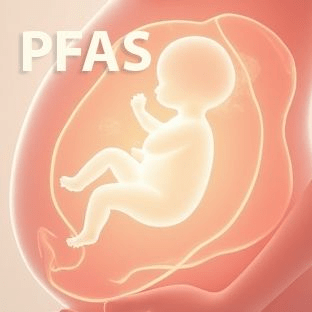
PFAS is everywhere
A new study from the RIVM (National Institute for Public Health and the Environment in the Netherlands) confirms that it’s even worse than previously thought: almost everyone in the Netherlands has too much PFAS in their body.
These “forever chemicals” don’t break down, damage our immune systems, and are linked to cancer.
TFA is a byproduct of PFAS pesticides and PFAS refrigerants in particular. Simply spraying PFAS on our food is foolish and unnecessary. We need to get rid of this as quickly as possible.
PFAS in breast milk of women in Dordrecht, the Netherlands.
What the Fuck!!!!!!!!! Serious?
No dirty business: stop PFAS NOW!!!!
‘Poison, You’re poison running thru my veins’
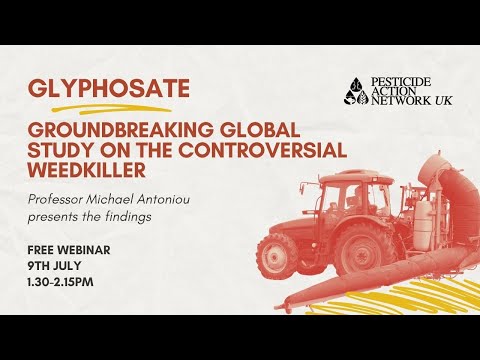
‘Glyphosate: A groundbreaking global study on the controversial weedkiller’
‘Sometimes it has to be rough, just to keep the attention’
“That’s why I sometimes violate other people’s feelings and opinions. But with a lot of respect, I expect the other person to address me in order to start the dialogue. So don’t feel personally attacked, but remember that what I say or share is to shake others awake and keep the attention on the subject….”
Hans van Geluk producer ‘The Fall of the Light’, A rock opera
‘Mother Earth: She wears softness as a gown. She spreads magic all around. Her feathers still untouched’
Sometimes we speak abouth her in our songs, or the songs we shared from others, in that case we write or speak “her” or “she”, it means Atropec, Mother Earth, or the planet. She is, after all, our Mother Earth.


Do pesticides in French wine increase the risk of Parkinson’s disease?
We explore this question in the new book PD Plan. French consumer tests revealed pesticide residues in every bottle of wine tasted, some of which contained chemicals long banned.
Vineyards represent only 3% of French farmland, yet consume 20% of the country’s pesticides.
Studies now show that living near or working in vineyards is linked to higher rates of Parkinson’s.
We must ask ourselves: Are the hidden ingredients in what we eat and drink fueling the Parkinson’s pandemic?
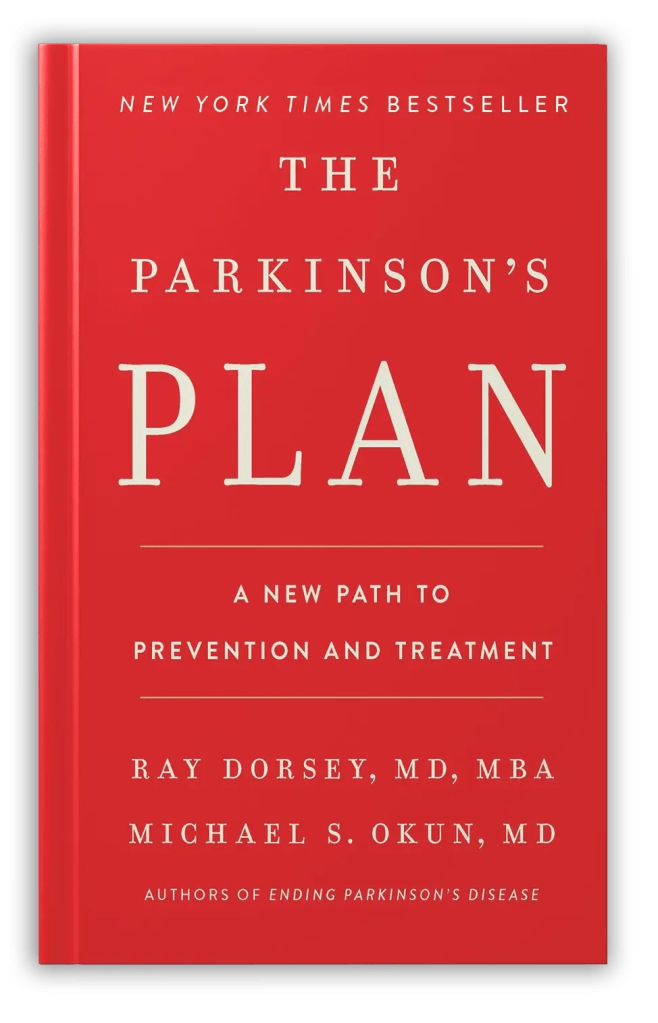
The Parkinson’s PLAN
Ray Dorsey, MD & Michael S. Okun, MD
From cause to care— everything we know about Parkinson’s disease, and what we can do next.
Time to wake up:
Pesticides are not a harmless tool, but a threat to humans and nature
The facts are piling up: Parkinson’s and cancer are increasingly being linked to pesticides. Research shows that even in protected Natura 2000 areas, pesticides penetrate deeply. “Deadly cocktails” in ditches and ponds are destroying ecosystems. This year, judges were forced to intervene and ordered growers to halt pesticide use. Yet we continue. Because the lobby is strong. Because “it’s always been done this way.” Because financial interests outweigh health and nature.
“It’s clear that ingesting a certain amount of pesticides can cause Parkinson’s,” says Teus van Laar, a neurologist at the University Medical Center Groningen.
General practitioners who work in areas where pesticides are frequently used are also seeing more cases of Parkinson’s, they have reported in several media outlets.
It’s time for political choices. Time for companies to take responsibility. Time for all of us to say: enough poison!
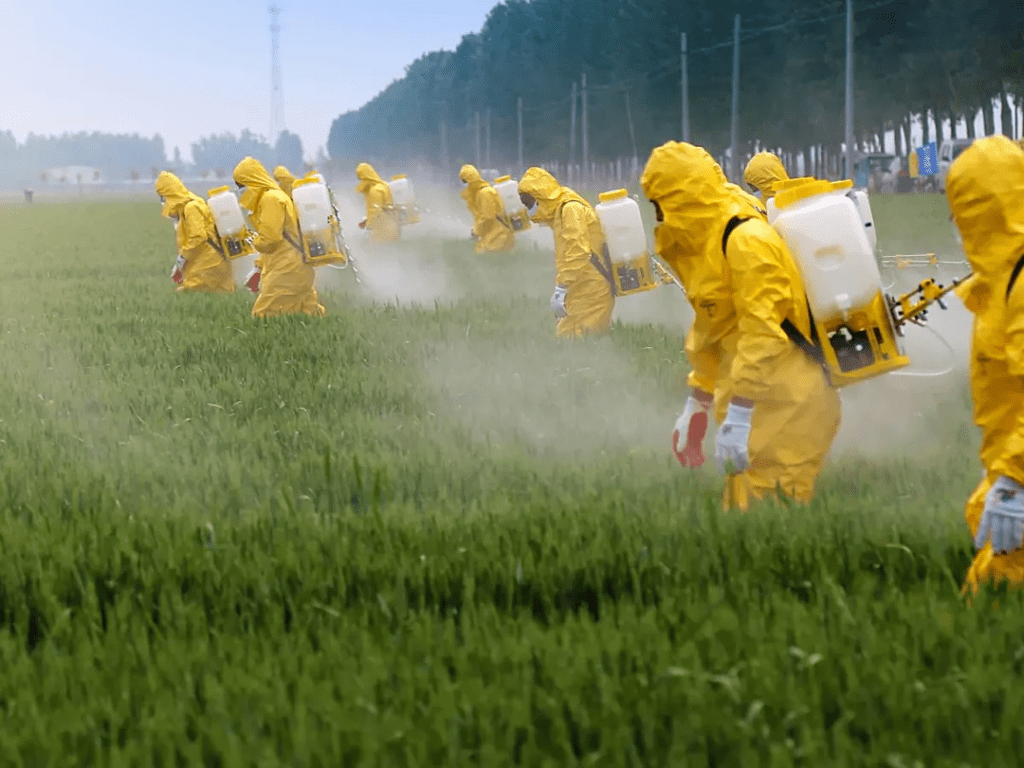
ENOUGH IS ENOUGH – PROTECT PEOPLE AND NATURE FROM PESTICIDES!
Research shows that 65% of Dutch people want the government to better protect residents with spray-free zones of at least 100 meters around homes. 🌱 70% also want pesticide use halved by 2030, and 73% want a ban on the 30 most toxic pesticides.
At the same time, municipalities are sounding the alarm: they experience the consequences of the current regulations every day and are calling on The Hague for a national approach to pesticides. Without clear legislation, municipalities are stuck, while residents remain unprotected. (Pointer)
The Netherlands – after Cyprus – uses the most agricultural pesticides per hectare in the EU. Annually, this amounts to 5 million kilos of pesticides on 98.5% of our agricultural land. These toxins end up in the air, water, soil, food, and even our own bodies. They destroy biodiversity, threaten health, and harm the living environment.
✊ It’s time for the government to listen to citizens and municipalities. We demand:
✅ Spray-free zones of at least 100 meters around homes, schools, and playgrounds
✅ Halving pesticide use by 2030
✅ Banning the most toxic pesticides
✅ Promoting organic farming instead of pesticide farming
💚 Together we are stronger
Our new article in Lancet Neurology highlights how environmental factors contribute to the rapid global spread of Parkinson’s disease. This includes certain pesticides, air pollution, and the dry-cleaning chemicals trichloroethylene and perchloroethylene.
(Professor Bas Bloem on LinkedIn)
We address recent evidence and knowledge gaps. Importantly, we emphasize prevention opportunities that could lead to a reduction in the global burden of Parkinson’s disease.
My opinion:
– This article, written by a group of internationally recognized experts, makes it clear that there is no doubt that the environment contributes significantly to the development of Parkinson’s disease.
– It is high time we all take this overwhelming evidence very seriously and do everything we can to create a healthier environment, free from toxins that contribute to Parkinson’s and other neurodegenerative diseases.
– I urge regulatory agencies to improve their screening procedures to better screen for the potential neurotoxicity of all chemicals, including those already on the market that were previously considered safe based on insufficient evidence.
The Hidden Impact of Pesticides – Parkinson’s Association
Pesticides are widely used in the cultivation of food, flowers, and plants. As a result, substances that don’t belong there end up everywhere in our environment: on our food, in house dust, in the soil, and even in our drinking water.
It is becoming increasingly clear that these chemicals are not only harmful to nature and the environment, but also affect our health. The genetic factor in Parkinson’s is limited. Lifestyle and environment appear to play an increasingly important role. Therefore, collaboration is essential: between science, government, industry, and society. Only together can we ensure a living environment that is healthy for both people and nature.
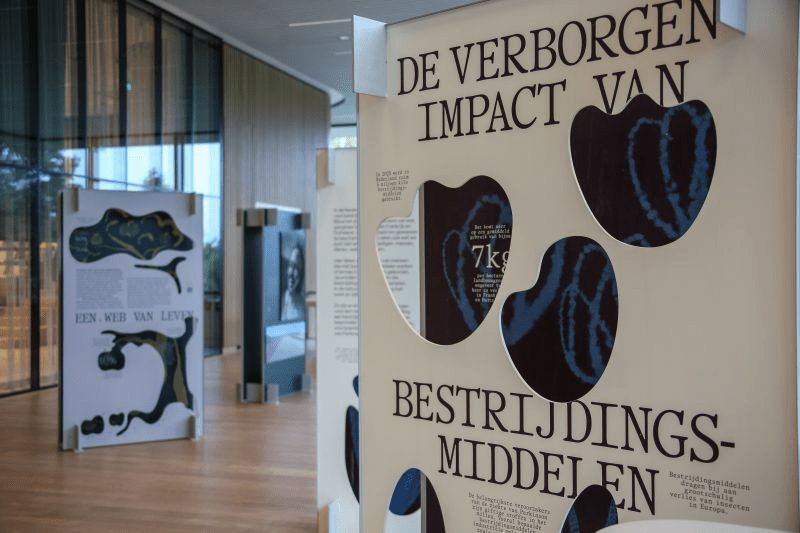
On October 16th, we attended the opening of the exhibition and symposium “The Hidden Impact of Pesticides.”
The photo exhibition is impressive because of its combination of personal stories and images of the environment that may have contributed to the development of Parkinson’s. It demonstrates the profound human dimension of this issue and the importance of working together to address it. Photographer and filmmaker Kadir van Lohuizen created this moving series of portraits of people with Parkinson’s.
With this project, the Parkinson Association, Natuur & Milieu (Dutch Society for Nature and Environment), the FNV (Dutch Federation of Trade Unions), and ParkinsonNL are joining forces. Through advocacy, science communication, and a traveling exhibition, we are stimulating dialogue with the public and policymakers to raise awareness and explore solutions.
Parkinson’s disease has only existed since the industrial revolution
Famous physicians like Hippocrates and Vesalius never saw anyone with Parkinson’s in their time.
It wasn’t until 1817—when we had been polluting our own environment for over half a century—that this “man-made disease” was first described.
Since then, we have been breathing, eating, and drinking the byproducts of our own progress: air pollution, pesticides, heavy metals, and microplastics.
We see the consequences every day in our consulting rooms (Bron: Milan Beckers op LinkedIn)
🌍 In 2021, the World Health Organization warned that climate change is the greatest threat to public health.
We need to remember and learn from history. The tobacco industry lied for 50+ years about the dangers of cigarettes (Bron: Louis De Jaeger op LinkedIn)
The asbestos industry lied for 100+ years.
Big fossil fuel companies lied for 50+ years about the dangers of global warming.
☣️ The pesticide industry is playing this game too,
1) Sowing doubt.
2) Hiding dangerous effects.
3) Paying scientists to say their product is safe.
This is a classic playbook, very well documented in the book and film Merchants of Doubt.
I’m not really angry that companies do this, I’m angry that we allow companies to do this. We allow this to happen. If we were more observant, we’d see right through it.
The only reason this playbook works is because we believe we can’t do anything about it AND because these industries assume we don’t care.
But guess what: we can, and we do!
Good news: The house of cards is falling apart ⚡️
The world of regenerative organic farming is growing, and that’s good for us all 🙏
A toxic habit that doesn’t benefit your health, the health of farmers, or the health of nature will FINALLY end up where it belongs: in the past
People who don’t believe in a world without pesticides should also stop believing in human ingenuity and innovation.
You know what?
(Bron: RIVM op LinkedIn)
Nutrition policy holds promise for a positive impact on both public health and the environment. There are opportunities for nutrition policy that contributes to both public health and the environment.
The current measures from the National Prevention Agreement (NPA) and the new Coherent Prevention Strategy (SPS) also have the potential to have a positive impact on the environment
This is the conclusion of research by the RIVM (National Institute for Public Health and the Environment). However, to increase their impact, fewer voluntary measures are needed. Consider higher prices for foods with an unfavorable Nutri-Score, or mandatory legislative frameworks to make the food supply in key food environments like schools healthier and more sustainable.
In addition to the impact of the NPA, this study also examined for the first time the potential impact of the measures in the Coherent Prevention Strategy (link is external) on the environment and how this impact can be increased. Double benefits (for health and the environment) are already possible. A key condition is that measures are properly implemented and monitored. Environmental benefits can be further enhanced through adjustments. This requires a robust package of additional measures.
Strengthening existing measures for environmental benefits
 Autorijden en Parkinson(isme)