UHURU – Teaser | Short Documentary (2024) We are excited to share the trailer for our upcoming documentary ‘Uhuru’. Shedding light on the resilient stories of those living with Parkinson’s disease in Tanzania. Join us on this journey of hope, awareness, and change at www.UhuruFilm.com. And thank you to everyone who made this incredible project possible
Part I: Prologue + Chapters I–II
Part II: Chapters III–IV
Part III: Chapters V–Epilogue
High Hopes: The Chronicle of a Poisoned Earth
(Part I: Prologue + Chapters I–II)
Prologue: High Hopes
There was a time, not so long ago, when many believed that science and progress would carry humanity into an era of abundance. A world free of hunger, free of disease, a world where technology served as both shield and savior. The so-called “Green Revolution” was hailed as proof of mankind’s ingenuity: new chemicals, new seeds, new machines. We were told that these tools would allow us to feed billions while taming nature’s unpredictability.
But beneath the banners of hope, another reality was quietly unfolding. The same chemicals that promised to nourish humanity began seeping into water, air, and soil. They did not stop at the edge of a field, nor did they disappear after a season. They lingered, spread, combined, and multiplied. What was marketed as protection became contamination.
The dream of a cleaner, freer world — one where food is safe, water pure, and health a given — remains alive in the minds of millions. Yet, as the evidence mounts, the contrast between that dream and our present reality grows starker by the day. The horizon of hope is obscured by the smoke of corporate lobbies, the haze of polluted skies, and the silent spread of chronic disease.
This is the chronicle of that poisoned reality. It is also the story of those who resist, who demand accountability, and who dare to imagine a different future.
The story of glyphosate, the world’s most widely used herbicide, is emblematic of the age. Marketed in the 1970s as Roundup, glyphosate was heralded as a miracle of efficiency: a simple spray that would eliminate weeds without harming crops. Farmers across continents embraced it. Within decades, glyphosate became woven into the very fabric of industrial agriculture.
But every miracle carries a cost. Increasingly, scientists and physicians are warning of that cost: the rise of chronic diseases, the decline of biodiversity, and the contamination of ecosystems.
One of the starkest warnings comes from the field of neurology. Professor Bas Bloem, a leading expert from the Netherlands, has called Parkinson’s disease “a pandemic in slow motion.” Once considered rare, Parkinson’s is now the fastest-growing neurological disorder in the world. In the past decade alone, cases have risen by 30 percent in the Netherlands, with even sharper increases in the United States and China.
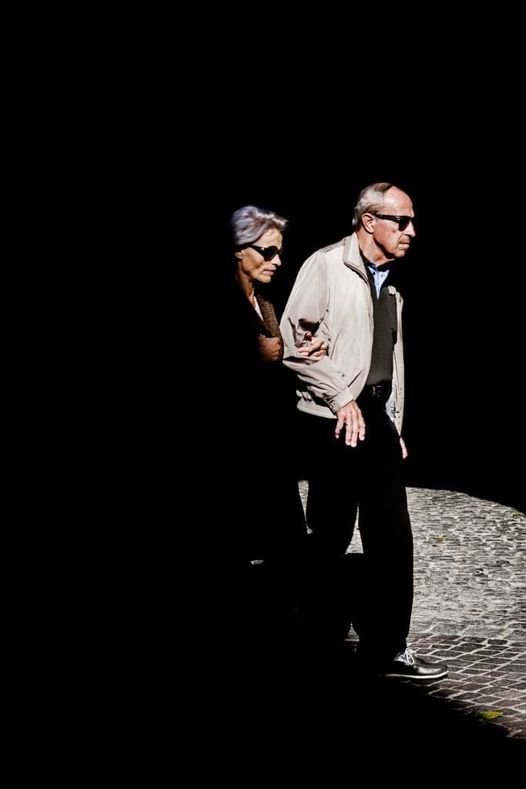
Parkinson’s is more than trembling hands and shuffling steps. It is a progressive condition that dismantles both body and mind. Patients face anxiety, mood swings, cognitive decline, and depression. Families watch loved ones change in ways that cannot be reversed. For some, the physical symptoms are visible; for others, the mental toll is far worse.
The links between environmental toxins and Parkinson’s are becoming harder to ignore. Studies consistently show that farmers, agricultural workers, and even residents living near sprayed fields face significantly higher risks. Korea has documented clear associations between air pollution and Parkinson’s. France has gone so far as to recognize Parkinson’s as an occupational disease among winegrowers.
And yet, glyphosate remains on the market. In late 2023, the European Commission renewed its approval, despite mounting evidence and growing public opposition. Six NGOs — including PAN Europe and ClientEarth — have taken legal action against this decision, arguing that the re-authorization process ignored critical flaws and conflicts of interest.
The tension is palpable: scientists warn of long-term harm, patient groups see the human cost, while regulators reassure the public that risks are “acceptable.” As one Dutch official bluntly put it: “The use of glyphosate is really safe for humans, animals, and the environment.” But behind such assurances lies an uncomfortable truth: the very institutions charged with protecting health often rely on research produced, sponsored, or filtered by the industries they are meant to regulate. It is, as critics put it, a case of butchers inspecting their own meat.
—
Chapter II – Silent Springs Reborn
In 1962, American biologist Rachel Carson published Silent Spring. Her book exposed the devastating ecological impacts of DDT and other pesticides, warning that human health would inevitably suffer if we continued saturating the environment with chemicals. Carson was vilified by chemical companies, yet history vindicated her. DDT was eventually banned, and Silent Spring became a landmark in environmental awareness.
Six decades later, Carson’s warning echoes with chilling relevance. Despite bans on certain substances, the pesticide industry continues to introduce new products — often with insufficient testing, often under the promise of safety. What she called the “rain of death” has transformed into today’s toxic cocktail: hundreds of chemicals in our soil, water, and even household dust.
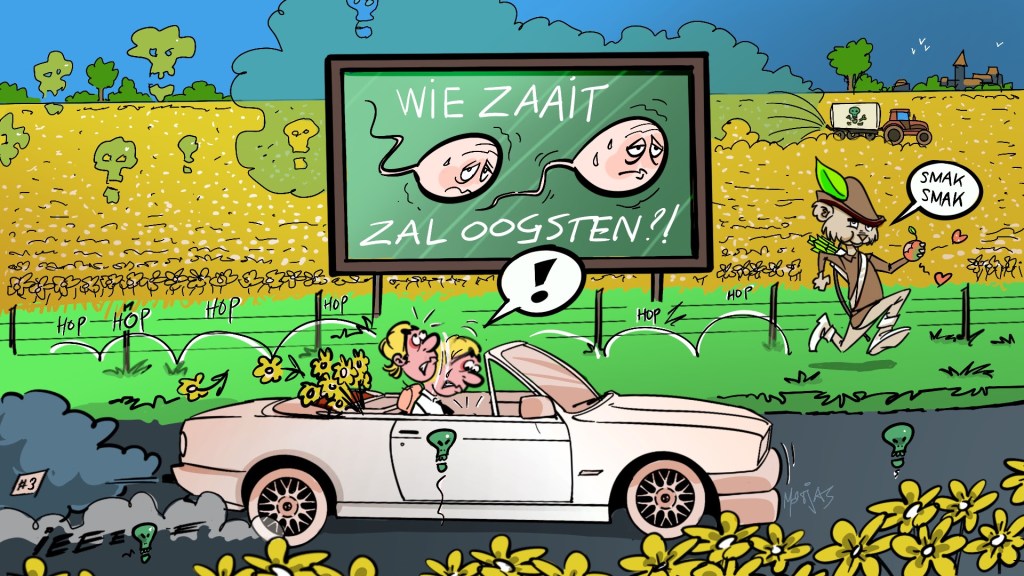
The persistence of this problem is not due to ignorance. It is due to power. Corporations like Bayer — which acquired Monsanto, the original maker of glyphosate — wield enormous influence in Brussels, Washington, and beyond. When the time came for the EU to reconsider glyphosate in 2023, scientists around the world urged a ban. Yet the lobbying machine proved stronger. Glyphosate remained, not because it was proven safe, but because it was not proven unsafe to the satisfaction of regulators.
This reversal of responsibility — requiring independent scientists to prove harm rather than demanding corporations prove safety — is a fundamental flaw of the system. As Dr. Vandana Shiva has argued, humanity must overcome its “anthropocentric arrogance” and recognize the wisdom of nature. Instead, the current regime assumes that nature is expendable, a testing ground for products until proven guilty.
The consequences are not abstract. Pesticides have been linked to cancers, infertility, developmental disorders in children, and now, increasingly, to neurodegenerative diseases like Parkinson’s and Alzheimer’s. Babies are exposed before birth. Breast milk contains residues. House dust carries traces of over a hundred pesticides.
The silence that Carson warned of — the silence of birds gone from the skies, of frogs vanished from wetlands — is today joined by another silence: the silence of patients who lose their voice, their mobility, and their memories to neurological decline.
The spring has not grown quieter. It has grown more urgent.
High Hopes: The Chronicle of a Poisoned Earth
(Part II: Chapters III–IV)
Chapter III – The Web of Chemicals
If glyphosate is the symbol of modern pesticide use, it is only one strand in a much larger web. Our age is defined not by single chemicals but by cocktails — mixtures of hundreds, sometimes thousands, of substances that interact in ways science is only beginning to understand.
PFAS, known as “forever chemicals,” epitomize this dilemma. Used in everything from non-stick pans to waterproof jackets, PFAS resist breakdown, accumulating in soil, water, and human bloodstreams. Studies have linked them to cancers, immune dysfunction, and reproductive harm. In some European rivers, PFAS levels exceed safety limits by factors of hundreds.
Plastics add another layer to the toxic burden. Once hailed as modern marvels, they now fragment into micro- and nanoplastics that infiltrate every corner of the planet. These particles have been found in fish, in bottled water, even in human placentas. Combined with pesticides, they create complex exposures no regulatory framework has adequately addressed.
Household dust, once seen as harmless, now serves as a silent archive of chemical history. Researchers have detected residues of more than a hundred pesticides in ordinary living rooms. Children crawling on floors or playing in gardens are thus among the most exposed. What enters their bodies is not a single substance but a toxic mosaic: glyphosate here, PFAS there, traces of neonicotinoids, flame retardants, and heavy metals layered together.
This “toxic cocktail” effect undermines the regulatory principle of evaluating substances in isolation. A pesticide may pass safety tests on its own, but in the real world it rarely acts alone. It mingles with dozens of others in food, water, and air. The cumulative and synergistic impacts remain largely unstudied. As one Dutch activist group noted, “the child of today is a test subject in an uncontrolled global experiment.”
The invisible nature of these exposures makes them even more insidious. A spilled tanker or a smoky factory alerts us to danger. But chemical residues have no scent, no color, no immediate pain. They work quietly, sometimes for decades, before manifesting as cancer, infertility, or neurodegenerative disease.
The cost of convenience — waterproof coats, cheap food, weed-free fields — is borne not at the checkout counter but in hospitals, in degraded ecosystems, and in the silent suffering of future generations.
—
Chapter IV – A War Against Ourselves
Humanity has long told itself a story of mastery: that we stand above nature, separate from its limits, capable of bending it to our will. Pesticides, plastics, fossil fuels — all are products of this narrative of dominance. Yet the deeper truth is unavoidable: in poisoning our environment, we are waging a war against ourselves.
The hypocrisy of this war is stark. The European Union bans certain pesticides within its borders but allows corporations to export the same substances to poorer nations. Those chemicals return in imported food, re-entering European households through supermarket aisles. What is too dangerous for European farmers is apparently acceptable for African or Latin American ones.
Farmers themselves often find themselves in tragic contradiction. Cast as both villains and victims, they operate under economic systems that leave little choice. Industrial agriculture, subsidized and shaped by global markets, pushes them toward efficiency, scale, and chemical dependency. The same farmers who apply glyphosate often breathe it in, drink contaminated water, and face higher risks of illness. They are trapped in what one French union called “the toxic treadmill.”
This treadmill is sustained by powerful lobbies. Corporations spend millions to influence policy, fund selective research, and discredit critics. The revolving door between regulators and industry ensures that warnings are muted, delays extended, and accountability postponed. When lawsuits arise — as in the United States, where Bayer has paid billions to settle claims linking Roundup to cancer — companies defend themselves with endless appeals, dragging victims through years of legal battles.
At its core, this is not just a health crisis but a moral one. Exporting banned toxins, ignoring scientific warnings, and prioritizing profit over life reflect a deep-seated arrogance. It is the belief that ecosystems are disposable, that communities are expendable, and that future generations are collateral damage.
Dr. Vandana Shiva describes it as “ecological apartheid”: a system in which the wealthy insulate themselves with organic food and bottled water while the poor bear the brunt of contamination. The pesticides sprayed in banana plantations in Latin America, the PFAS polluting rivers in Flanders, the plastics choking the oceans — all are symptoms of a global order that treats health and justice as negotiable.
The war we wage is not against weeds or pests. It is against our own children, our own soil, our own survival. And unless it is recognized for what it is, the casualties will continue to rise.
‘You’ve poisoned all our hopes, we have nothing now. And what of the children? What has this done to them? Damn you for the pain they must feel’
High Hopes: The Chronicle of a Poisoned Earth
(Part III: Chapters V–Epilogue)
Chapter V – Seeds of Regeneration
Against this backdrop of contamination and despair, another movement is quietly taking root. Across the globe, farmers, activists, scientists, and ordinary citizens are sowing the seeds of a different agricultural future — one built on respect for ecosystems rather than domination over them.
Organic farming, long dismissed as marginal, has shown that yields can be sustainable without drowning fields in chemicals. Regenerative agriculture takes this further, focusing on soil health, biodiversity, and carbon sequestration. Where industrial farming depletes, regenerative practices restore. Where monocultures destroy, diversification heals.
These approaches are no longer fringe experiments. Governments in parts of Latin America, Asia, and Europe are beginning to support them. Consumer demand for organic and chemical-free food continues to grow. Movements like “Pesticide-Free Towns” in Europe and agroecology initiatives in Africa demonstrate that communities can resist the chemical treadmill and reclaim sovereignty over their land and food.
Legal and civic resistance is intensifying as well. NGOs such as PAN Europe and ClientEarth are challenging glyphosate authorizations in court. Citizens are petitioning parliaments, demanding bans, and pressing supermarkets to eliminate toxic residues from their supply chains. The lawsuits against Bayer in the United States, while often grueling, have already cost the company billions and forced a global reckoning with corporate accountability.
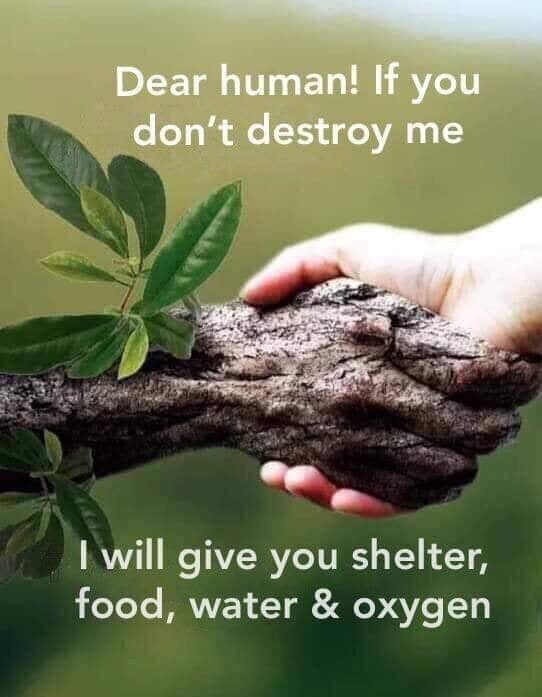
These efforts represent more than policy changes; they embody a shift in worldview. Instead of treating soil as a dead medium for chemical inputs, regenerative farmers see it as a living organism. Instead of viewing biodiversity as expendable, they recognize it as the foundation of resilience. In this vision, agriculture becomes not a battlefield but a partnership with nature.
The seeds of regeneration are fragile, but they are real. And in them lies the promise of renewal.
—
Chapter VI – The Future at the Gates
Generations born in the shadow of this poisoned legacy — Gen Z and Gen Alpha — are refusing silence. They take to the streets for climate action, demand transparency in food production, and use digital platforms to mobilize faster than any movement before them. For them, the struggle is not abstract. It is about their bodies, their futures, their children yet to be born.
“Healthy living is also freedom,” reads a slogan circulating among youth groups in Europe. The phrase captures a truth too long ignored: freedom is meaningless if water is undrinkable, if food is laced with toxins, if disease stalks every household.
Unlike earlier generations, today’s youth cannot be easily reassured by promises of economic growth or technological fixes. They know that survival is not guaranteed, that their life expectancy may decline rather than rise. They inherit not only debt and unstable jobs but contaminated soils, warming oceans, and a chemical load in their bloodstreams.
And yet, their energy signals hope. From school strikes inspired by Greta Thunberg to grassroots food cooperatives, from legal activism to scientific innovation, they are rattling the gates of politics and industry. They are demanding that governments stop delaying and start acting. They are asking the fundamental question: if not now, when?
—
Epilogue: A New Horizon
Every chronicle must end with a choice. Humanity stands at a crossroads. One path leads deeper into chemical dependency, ecological collapse, and widening injustice. The other path — still within reach — leads toward regeneration, resilience, and health.
The transition will not be easy. It demands courage from policymakers, honesty from scientists, and responsibility from corporations. It requires farmers to be supported, not scapegoated. It requires consumers to question convenience and demand integrity. Above all, it requires us to recognize that we are not separate from the Earth but part of it — bound to its fate.
Rachel Carson’s Silent Spring ended with a call for humans to choose wisely. Today, more than sixty years later, the urgency of that choice has only intensified. The silence of poisoned springs has grown into the silence of poisoned lives. But silence can still give way to voices — voices of resistance, of renewal, of high hopes.
The horizon is not lost. Beyond the haze of chemicals and the shadows of corporate power lies the possibility of another world. A world where health is not a privilege but a right. A world where agriculture regenerates rather than destroys. A world where freedom truly means the ability to live without fear of the invisible poisons around us.
The seeds are in the ground. Whether they wither or flourish depends on us.
Preview ‘High Hopes’ Episode III – ‘A fight we might be able to win, if we just want to’
‘High Hopes’ Episode III – ‘A fight we might be able to win, if we just want to’
Frozen Rainbow Productions presents, ‘High Hopes’ III – The short documentary ‘High Hopes’ is about the fight against Parkinson’s and the possible causes of developing this chronic progressive condition. In four episodes, news facts about the possible causes of pesticides, including Glyphosate in Parkinson’s disease, are highlighted from October 2023 to the present. Start project 29 januari 2025.



















 Autorijden en Parkinson(isme)